Obsidian. Just hearing the word conjures images of powerful Nether portals, blast-resistant fortresses, and the ultimate enchanting setups in Minecraft. This deep purple-black block is a cornerstone for any serious player, but gathering enough of it can be a painstaking process. While you might stumble upon it in naturally generated structures or deep within the End, the truly savvy builder knows that the secret to endless obsidian lies in creating your own renewable source: an obsidian generator.
Forget the tedious mining expeditions or risky Nether portal tricks for a moment. This guide is your ultimate hub for mastering the art of obsidian generation, transforming a rare resource into an abundant one right in your own base. From understanding the core mechanics to building complex automated systems, we'll connect you to everything you need to become an obsidian master.
Why Obsidian Generators Are a Game-Changer
Obsidian is one of Minecraft's most valuable and durable blocks. It's essential for crafting enchanting tables, providing superior blast resistance for your builds, and, most famously, constructing the gateways to the Nether. Because it's rarely found in large quantities and requires a diamond or netherite pickaxe to mine, creating a reliable, renewable source drastically reduces your grind and accelerates your progress in the game. It’s all about leveraging the fundamental interaction between water and lava to your advantage. To truly grasp the immense potential and core mechanics behind turning simple liquids into solid blocks, you'll want to Understand Obsidian Generators in full detail.
The Basic Principle: Water Meets Lava
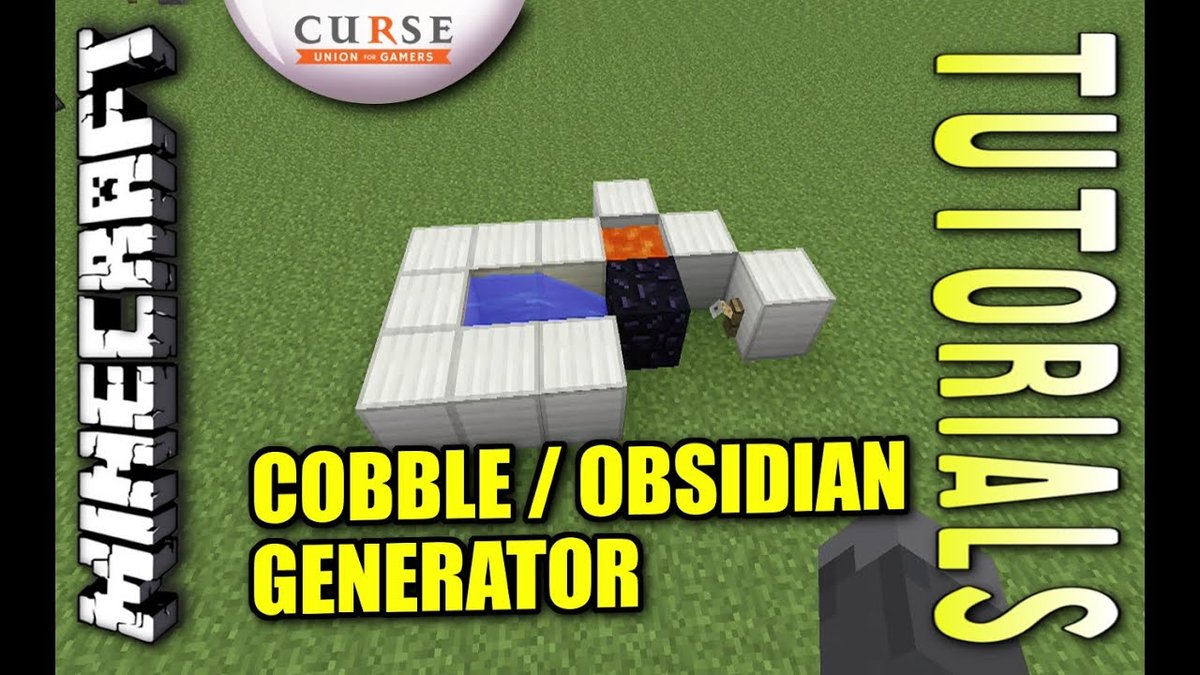
At its heart, every obsidian generator relies on a simple yet powerful game mechanic: when a water source block comes into contact with a lava source block, it transforms into obsidian. This is a crucial distinction, as flowing lava will only turn into cobblestone when it meets water. The key is to control this interaction, directing water precisely onto lava source blocks to produce obsidian efficiently. This foundational knowledge is what makes all generator designs possible, from the simplest to the most intricate.
Setting Up Your First Simple Generator
Building a basic obsidian generator is surprisingly straightforward and can be accomplished early in your Minecraft journey with minimal resources. All you truly need is some water, some lava, and a handful of fireproof blocks to contain them. The goal is to create a structure where water can flow directly over lava source blocks. This typically involves a water basin positioned strategically above or adjacent to a lava pool, allowing for repeatable conversion. If you're ready to get your hands dirty and build your first functioning setup, we have a complete walkthrough waiting for you. Get started right away and Explore Simple Obsidian Generators.
Gathering Essential Materials for Construction
Before you can start laying blocks, you'll need the right tools and materials. At a minimum, you'll need at least one bucket of water, several buckets of lava, and a good quantity of fireproof blocks like stone, cobblestone, or even obsidian itself. A diamond or netherite pickaxe is non-negotiable for harvesting the obsidian once it's formed, as weaker tools will simply destroy the block without dropping it. Preparing your inventory and workspace effectively will make the construction process smooth and successful. To ensure you have everything you need for any generator design, dive into our comprehensive guide on Essential Materials & Construction Guide.
Beyond Basic: Advanced and Automated Generators
Once you've mastered the manual method, you might find yourself craving more efficiency. This is where advanced and automated obsidian generators come into play. These designs often leverage game mechanics like redstone, pistons, or even the new dripstone features (available in Java Edition 1.17+) to streamline the process. The dripstone method, for example, allows you to passively generate lava over time, which can then be used to create obsidian. Imagine setting up a system that continuously produces obsidian blocks with minimal input from you! This shift from manual crafting to automated production is a game-changer for large-scale projects. For those looking to push the boundaries of efficiency and create hands-off production lines, you'll definitely want to Learn about advanced Obsidian generators Explore.
Mastering Obsidian Farming and Efficiency
Building a generator is one thing, but efficiently farming the obsidian it produces is another. This involves strategic mining patterns, understanding how to prevent accidental destruction of blocks (or yourself!), and potentially designing your generator for maximum output per cycle. Considerations like placing additional water over existing obsidian can prevent underlying lava from incinerating your precious blocks, while careful placement ensures you don't fall into a fiery demise. Optimizing your farming strategy means less time wasted and more obsidian in your inventory. To truly maximize your output and streamline your collection process, it's vital to develop Optimal Obsidian Farming Strategies.
The Future of Your Minecraft World: Obsidian Abundance
With a reliable obsidian generator at your side, the possibilities in Minecraft truly open up. You'll never again hesitate to build that epic Nether hub, create a sprawling enchanting room, or fortify your base against any explosive threat. The power of renewable resources transforms your gameplay, allowing you to focus on creativity and exploration rather than constant resource gathering. So, gather your materials, pick a design, and embark on your journey to endless obsidian!